


Between (eternally) querying my novels, outlining my next big literary project, managing my social media accounts, writing essays for Substack, running my college counseling business, and finishing a 1200-page history book on the Third Reich, I’ve been feeling a bit burnt out lately.
I’m sure many of you often feel the same way, so this week, I wanted to go through some of my favorite short reads—books that you can finish in one sitting or turn to when you just need a bit of a break.
There are many great novellas out, but here are the ones that most profoundly changed my life.
1. White Nights - Fyodor Dostoyevsky
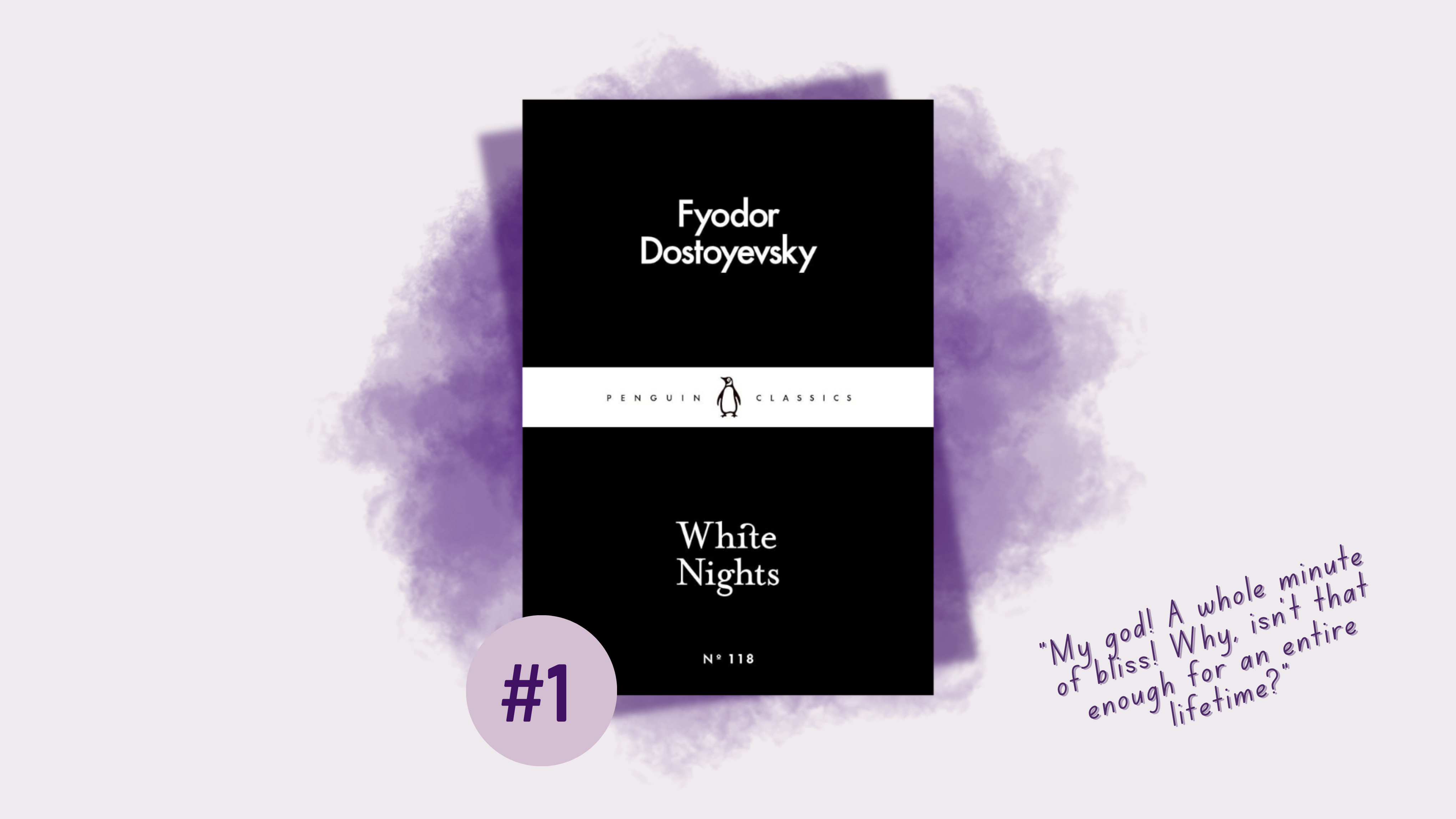
We start off strong with my favorite novella of all-time—Dostoyevsky’s White Nights. The story follows a pair of lovers—Nastenka and the unnamed “Dreamer”—as they bare their souls to one another in the span of just under a week.
A small detail that’s often lost on English speakers is that the girl in the novel immediately introduces herself as “Nastenka,” the diminutive of “Nastya,” which in itself is already a diminutive of “Anastasia.” Even today, it would be strange for a Nastya to introduce herself as Nastenka, a name typically reserved for lovers or parents. Thus Dostoyevsky sets up a paradigm in which we know that Nastenka and her unnamed lover will get too close too quickly.
At its core, the book explores the plight of loneliness and the nature of bliss. Thematically, it’s probably closest to Notes from the Underground.
I read it in one sitting in a bathtub and cried for three hours afterwards. I still cry every time I think about this book. I’m crying right now
2. The Death of Ivan Ilyich - Leo Tolstoy
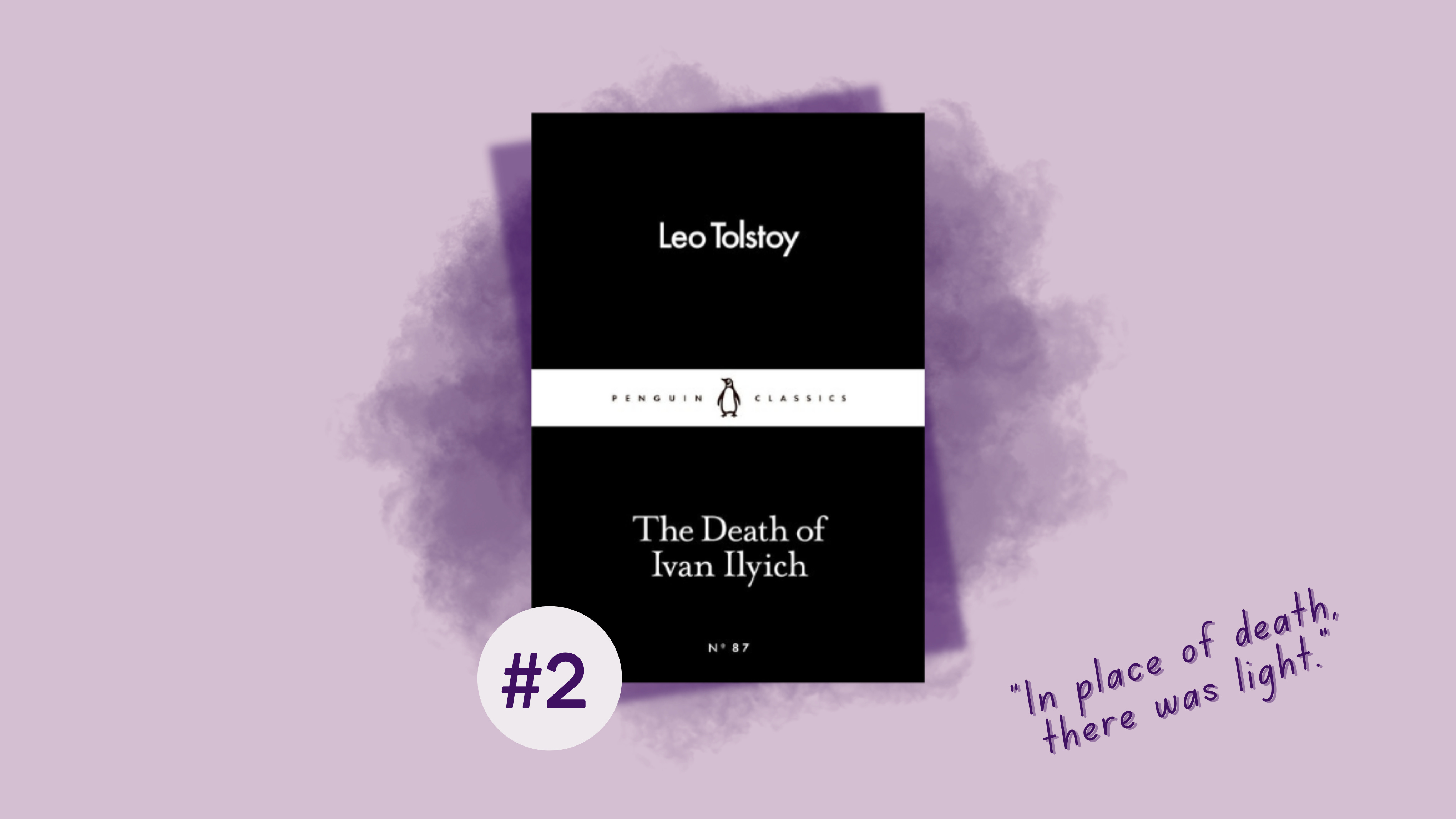
As its title suggests, The Death of Ivan Ilyich is a meditation on death and the meaning of life. Throughout the book, we follow Ivan in his final moments as he comes to terms with his imminent departure from our earth.
I actually didn’t like this one until the very last page. Then it all clicked together, and I also cried for an hour. (I cry a lot in books.)
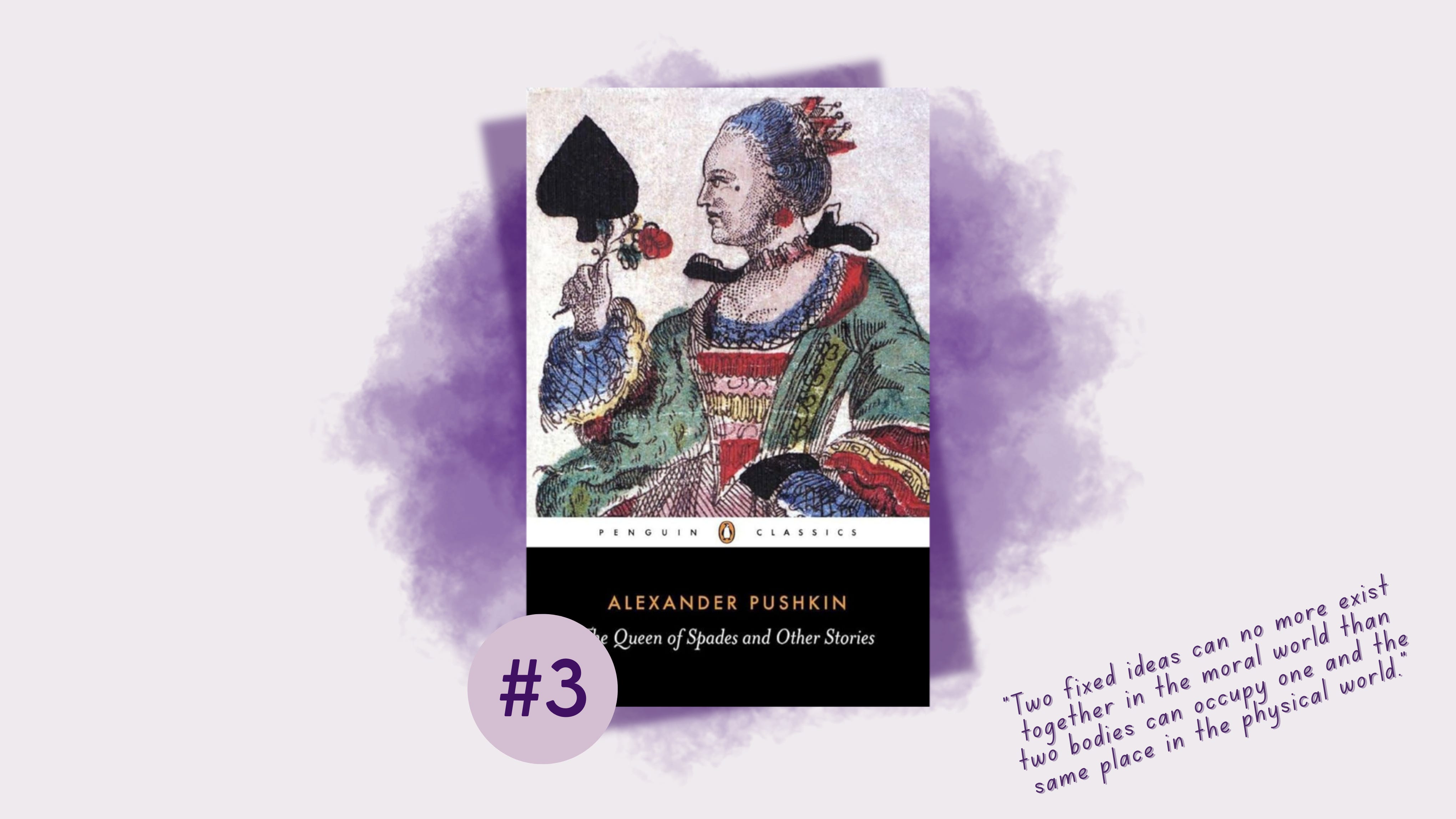
3. The Queen of Spades - Alexander Pushkin
I apologize for the overrepresentation of Russian literature on this list, but you are reading a Liza Libes article, so I think you knew what you were getting yourself into.
I like to think of this novella as a sort of precursor to Dostoyevsky’s The Gambler (another fantastic novella that I did not include on this list for the sake of variety). Through The Queen of Spades, Pushkin explores greed, obsession, and madness as he delves into the mind of a man who becomes obsessed with winning at cards.
There’s also a fantastic opera adaptation by Tchaikovsky that I highly recommend.
4. Ethan Frome - Edith Wharton
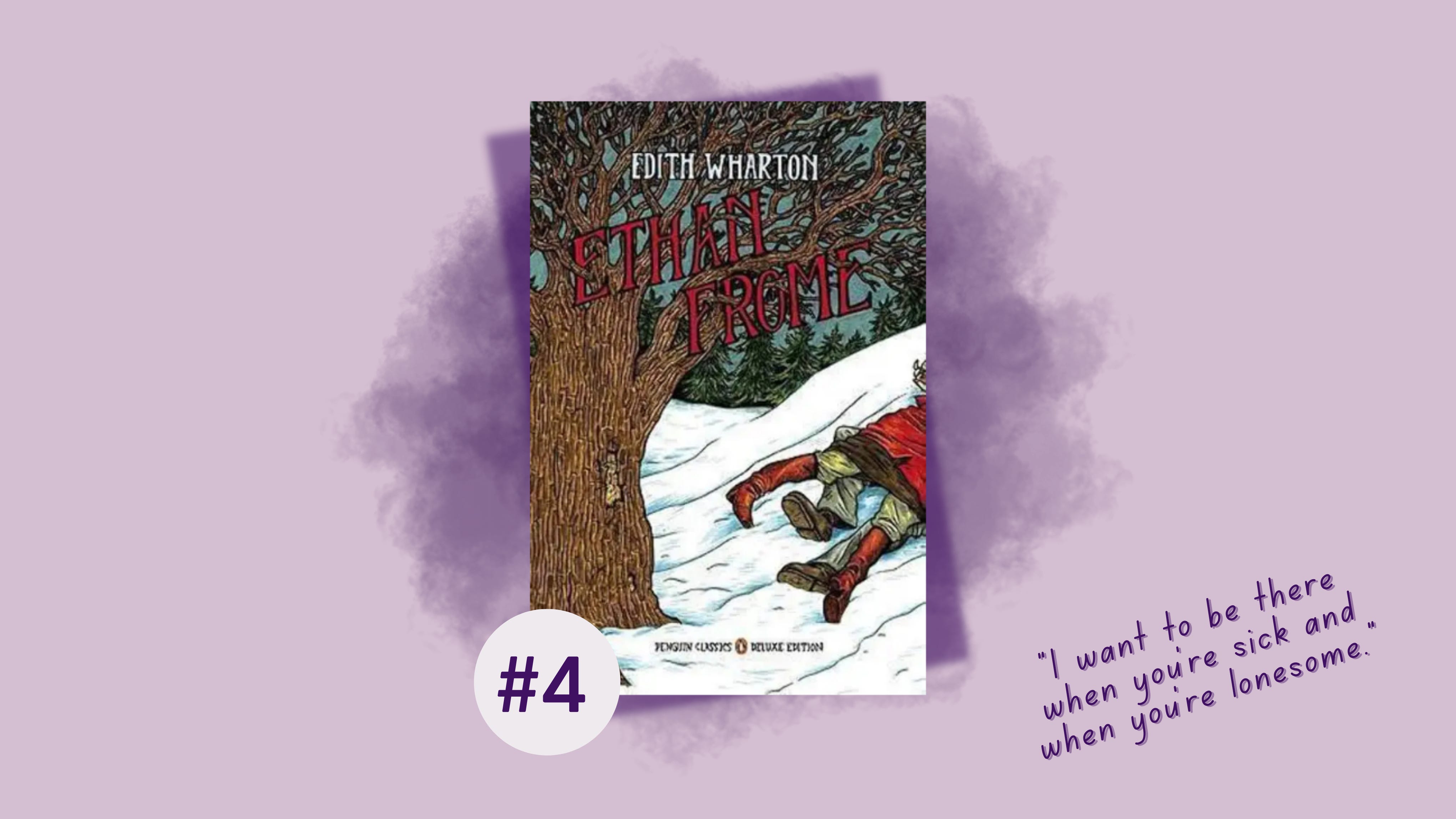
Edith Wharton might just be my favorite female author after Sylvia Plath, and lately I’ve been thinking that if I reread The Age of Innocence today, I’d probably like it more than The Bell Jar.
I did actually reread Ethan Frome recently because it makes a signature appearance in my latest novel, Blue Snow, which has some thematic overlap with Wharton’s famous novella. I actually liked Ethan Frome better on the second read because once you know the twist ending, you can pay more attention to the psychological nuances of the characters. On a fundamental level, Ethan Frome is about an affair, but the book is much deeper—it explores themes of loneliness, duty, and unfulfilled desire.
If you’ve already read Ethan Frome and are okay with spoilers, I’ve left the Ethan Frome excerpt from Blue Snow in the footnote (just for fun).
5. Bartleby, the Scrivener - Herman Melville
The primary reason to read this one is so that you can go around parroting the phrase “I would prefer not to” whenever someone asks you to do something you’d rather not do, but aside from that, Bartleby is an interesting meditation on alienation and the limits of compassion under a capitalist system.
I’m not personally a huge fan of this one because I tend to be generally wary of the whole “capitalism is bad” narrative, but I’ve included it here because it’s an important standalone work that paved the way for an entire generation of socioeconomic critiques in American literature.
6. Chess Story - Stefan Zweig
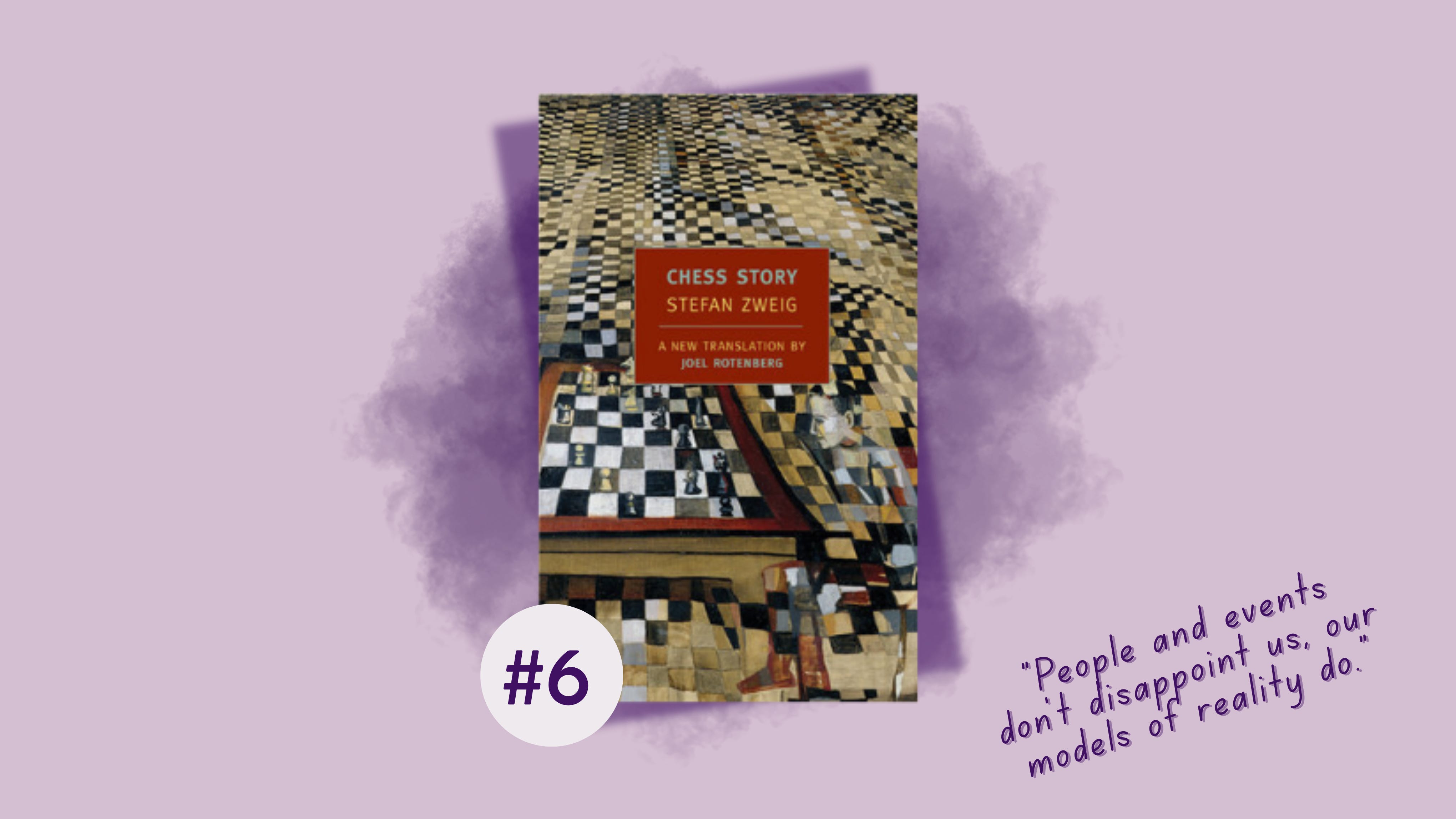
Chess Story was Zweig’s final literary work, published posthumously following his suicide in 1942. The novella traces the story of a political prisoner who learns how to play chess while in captivity… in his head.
This is the novella that made me fall in love with Zweig’s work and led me to binge-read basically everything else he ever wrote. It’s one of the greatest psychological novellas of all time and has rightfully earned its status as Zweig’s best literary work.
7. Death in Venice - Thomas Mann
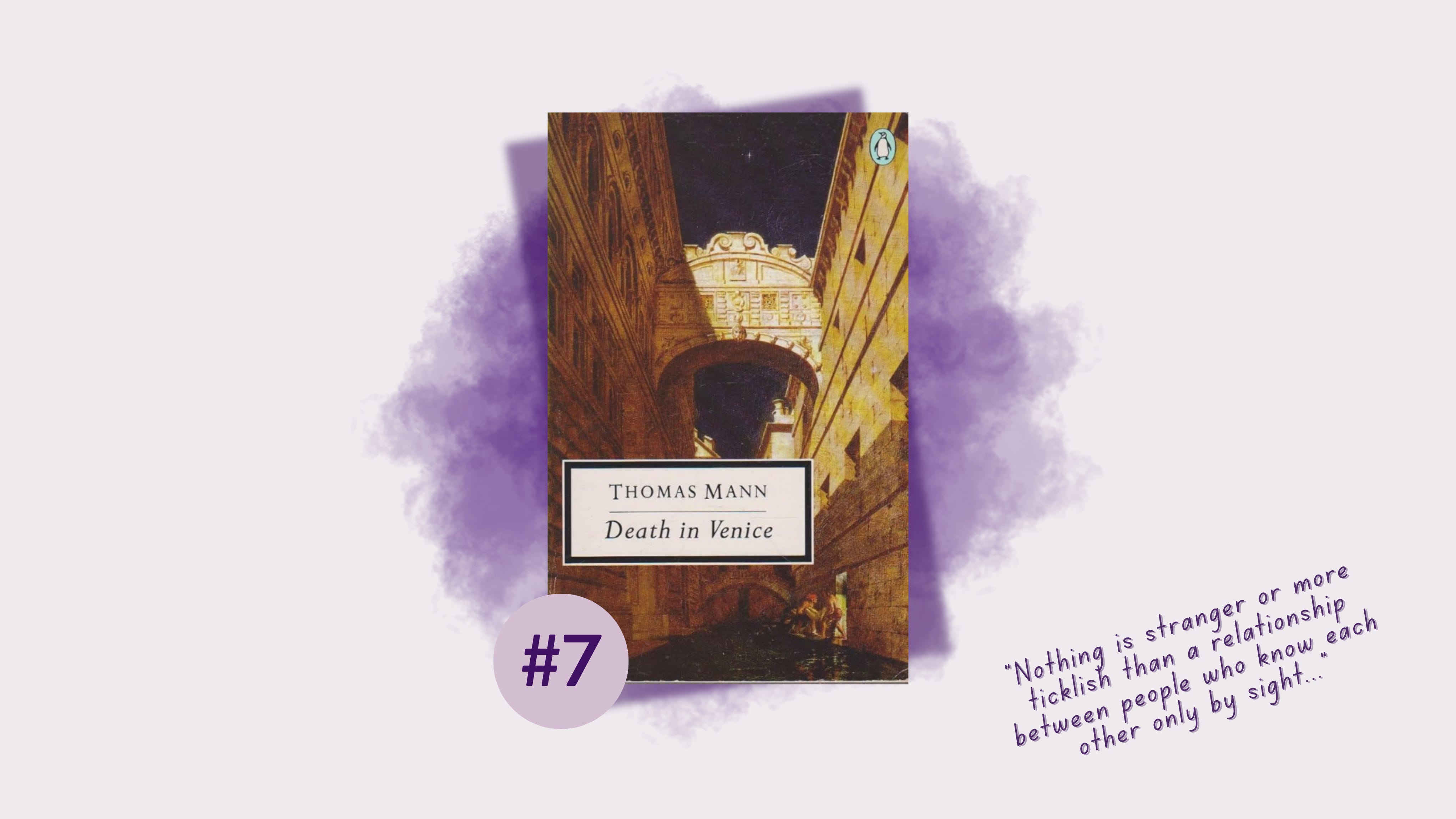
Death in Venice is a fantastic gateway to the Mann oeuvre and certainly Mann’s most accessible work. Anticipating many of the themes that Mann would later explore in his magnum opus, The Magic Mountain, Death in Venice follows Gustav von Aschenbach on his travels to Vienna—and in his obsession with a young Polish boy.
Mann apparently based Aschenbach particularly on the composer Gustav Mahler. You gotta hand it to Thomas Mann for never failing to imbue his work with abstruse classical music references.
8. Of Mice and Men - John Steinbeck
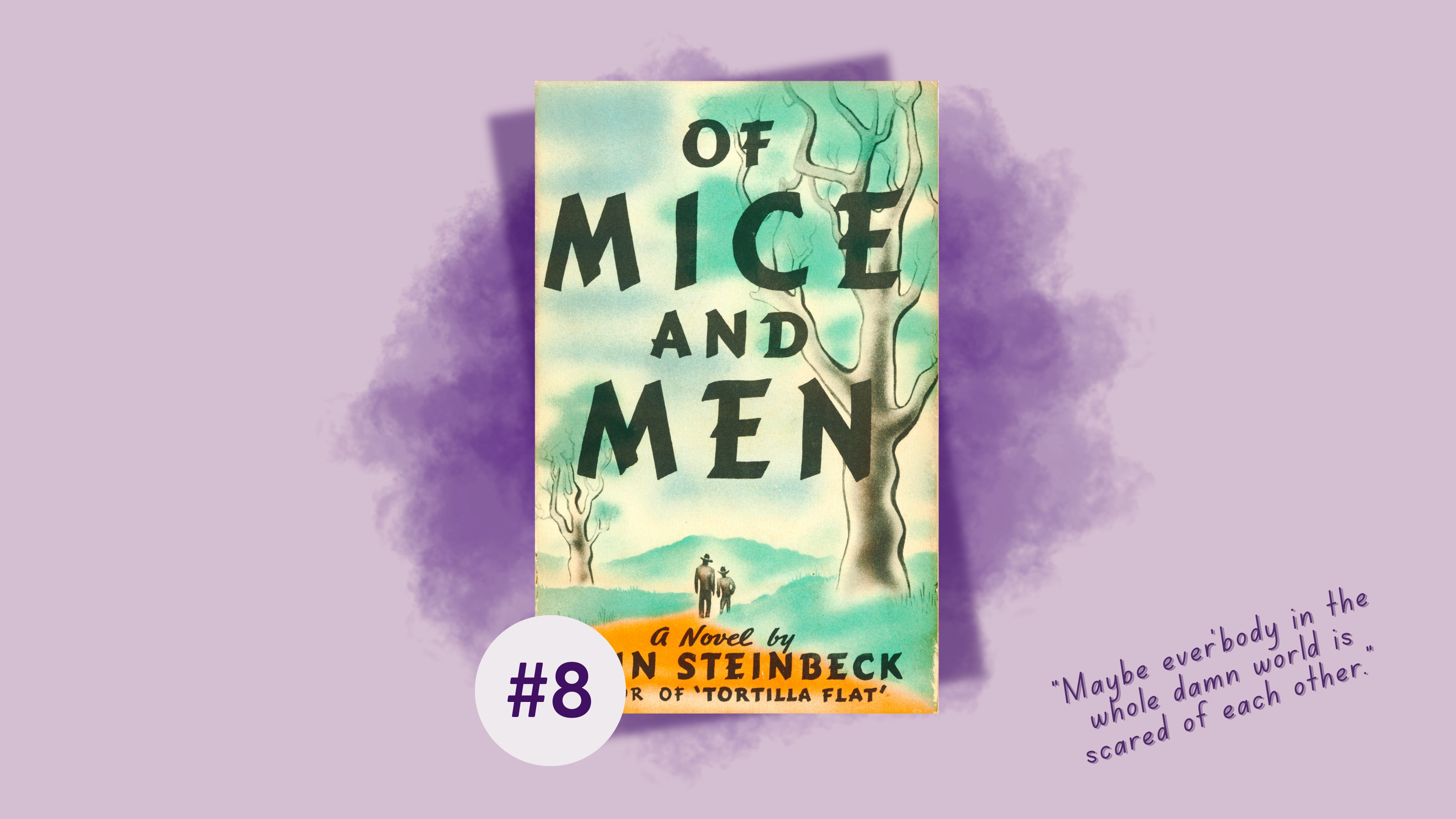
I didn’t like this one very much when I first read it in high school, but I appreciated it a lot more when I reread it more recently. If you weren’t lucky enough to be assigned Of Mice and Men in high school, I highly recommend checking out this short tale set in California during the Great Depression. It follows two migrant ranch workers, George and Lennie, as they dream of one day owning a farm. As you might expect, it doesn’t quite go as planned for them.
9. The Metamorphosis - Franz Kafka
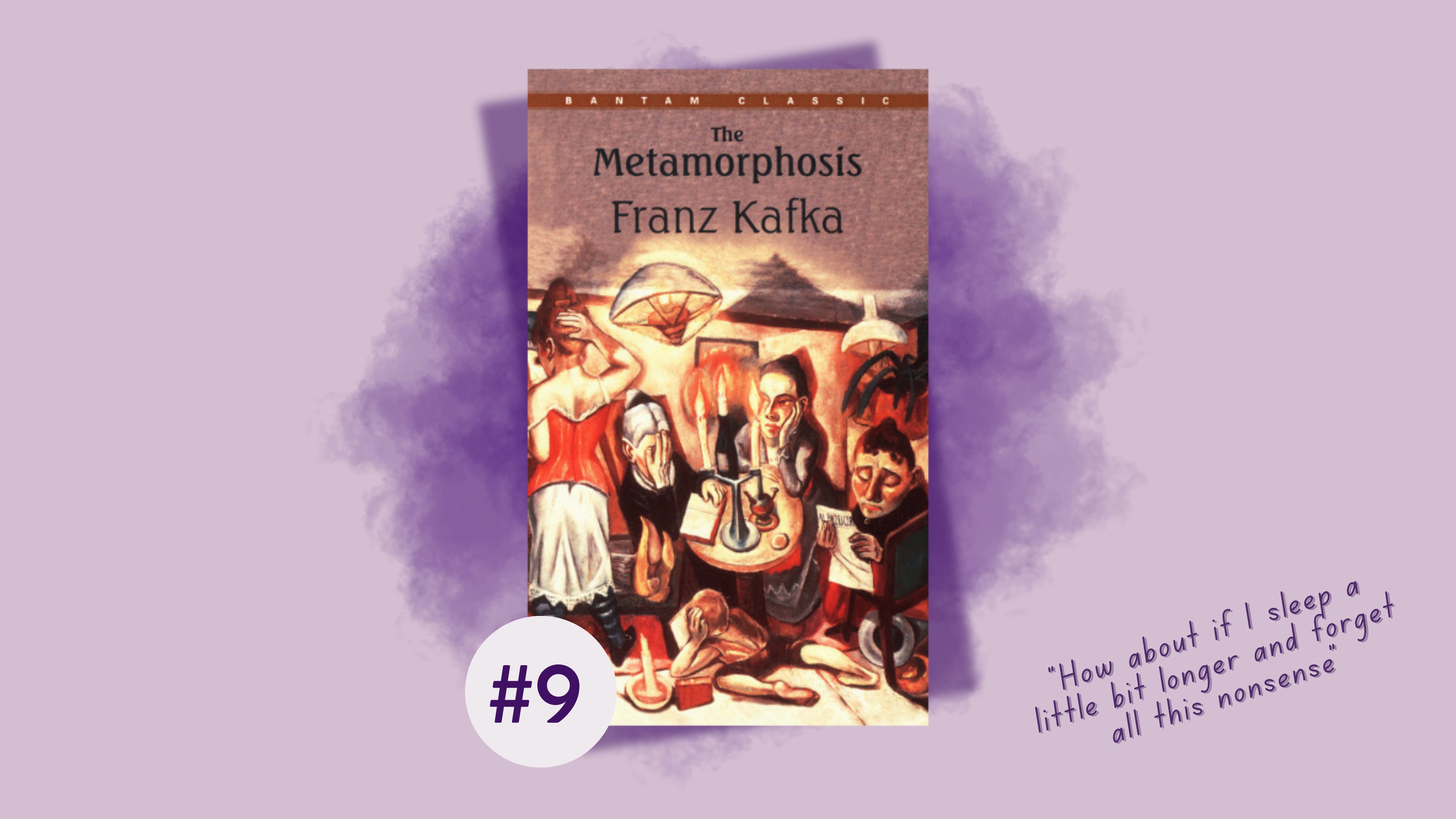
I almost didn’t put this one on here because everyone’s read it, but in the grand scheme of life-changing novellas, The Metamorphosis is certainly up there. Kafka needs no introduction, but if you haven’t read his most famous book, this is your sign to get on it.
10. The Sorrows of Young Werther - Johann Wolfgang von Goethe
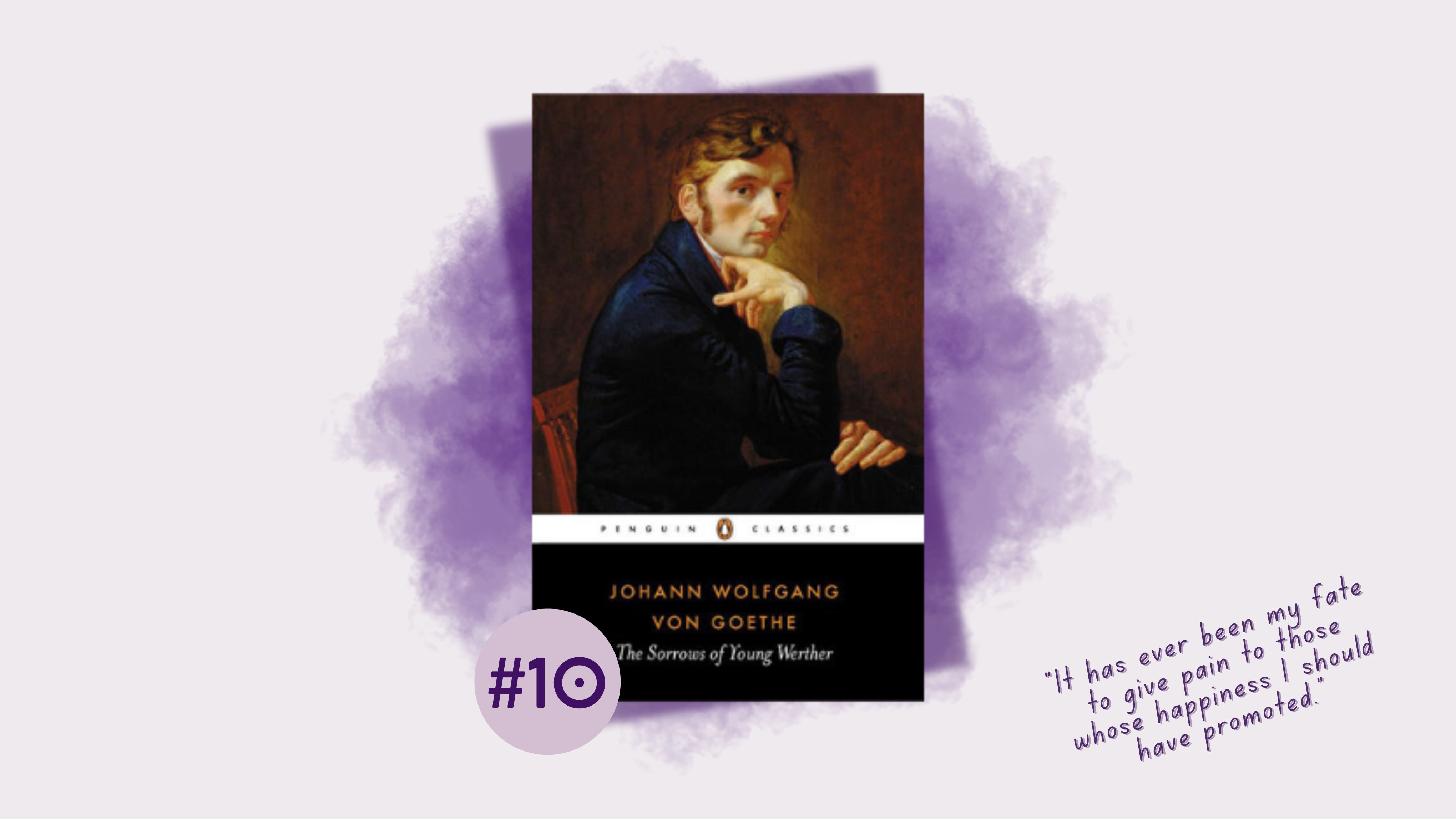
Finally, we have The Sorrows of Young Werther—one of the most depressing books ever written.
I said that this list was going to contain a series of short books. I didn’t say they were going to be light.
Werther is an epistolary novel about a young man who falls in love with a girl who is engaged to another man. It’s a key work of the German Sturm und Drang literary movement—a precursor to Romanticism—and inspired an entire generation of 18th century sad boys.
Incidentally, this one also makes a prominent appearance in my novel. As you can tell, I like literary allusion :)
I hope you enjoyed my picks! Which novella are you reading first?
Enjoyed this post? You can Buy Me a Coffee so that I’ll be awake for the next one. If you are a starving artist, you can also just follow me on Instagram or “X.”
I had to teach Of Mice and Men as a home tutor and I wept as I was talking about it. I have a mentally disabled son and the constant need to protect, even to the end, resonated at a very personal level.
A great selection! I was just thinking about Queen of Spades as I'm participating in Simon Haisell's year long read of War&Peace and we just read the chapters where Nikolai is cheated out of a fortune in faro by Dohlokov.
Russian authors and gambling! Think of the literary loss if our current 24-7 gambling had been around in the 19th century.