


Several days ago, I got back from a concert at the symphony nearly in tears. As a sentimentalist, I cry at the symphony quite often (and wonder, in fact, how most people are capable of sitting through a Rachmaninov symphony without reaching for the tissues), but this time, I wasn’t weeping out of joy but sorrow: the orchestra had decided to juxtapose Rachmaninov and Prokofiev with a truly barbaric contemporary piece.
I won’t deny that there’s some decent contemporary classical music out there—I am quite partial, for one, to the music of Tristan Murail and Ivan Wyshnegradsky—but just like with contemporary literature, the good stuff tends to be from the older guard, composed sometime in the late 20th century. Almost everything from the past decade, on the other hand, seems to be deliberately ugly.
In fact, the piece they played at the symphony this past week sounded indistinguishable from my alarm clock—and this cacophony, which I could find only reproduced online in a thirty-second excerpt—lasted for no fewer than twelve minutes.
Turning to my aunt—a classically trained former professional pianist—I scowled at the orchestra and whispered, “Did they run out of Beethoven to play?”
What I really should have asked, however, is whether the Chicago Symphony Orchestra had simply given up on its quest to commission music from a talented composer or whether it had purposely chosen to champion this ugly composition.
Surely, there had to be at least one composer out there capable of writing beautiful contemporary classical music.
So how come they only ever commissioned the ugly stuff?
By the time I reached home, thankful to have been graced with Rachmaninov after weathering the doomsday sirens, I understood not only that something was terribly wrong with the modern art world but also that we desperately needed to do something to fix it.
I am not the first person to complain that modern art is ugly—nor, I am sure, will I be the last—but I continue to be nonplussed by our society’s categorical rejection of beauty. In my world, after all, possessing a heightened sensitivity towards beauty is a prerequisite for becoming an artist of any sort; instead, however, artists today seem not only unmoved by everything beautiful, good, and true but actively contemptuous of the very ideals that have always made art so meaningful.
In a word, the gatekeepers of the contemporary art world—in music, visual art, and literature—seem to want to make our art ugly.
Take, for instance, the sort of paintings you often find in Chelsea galleries:
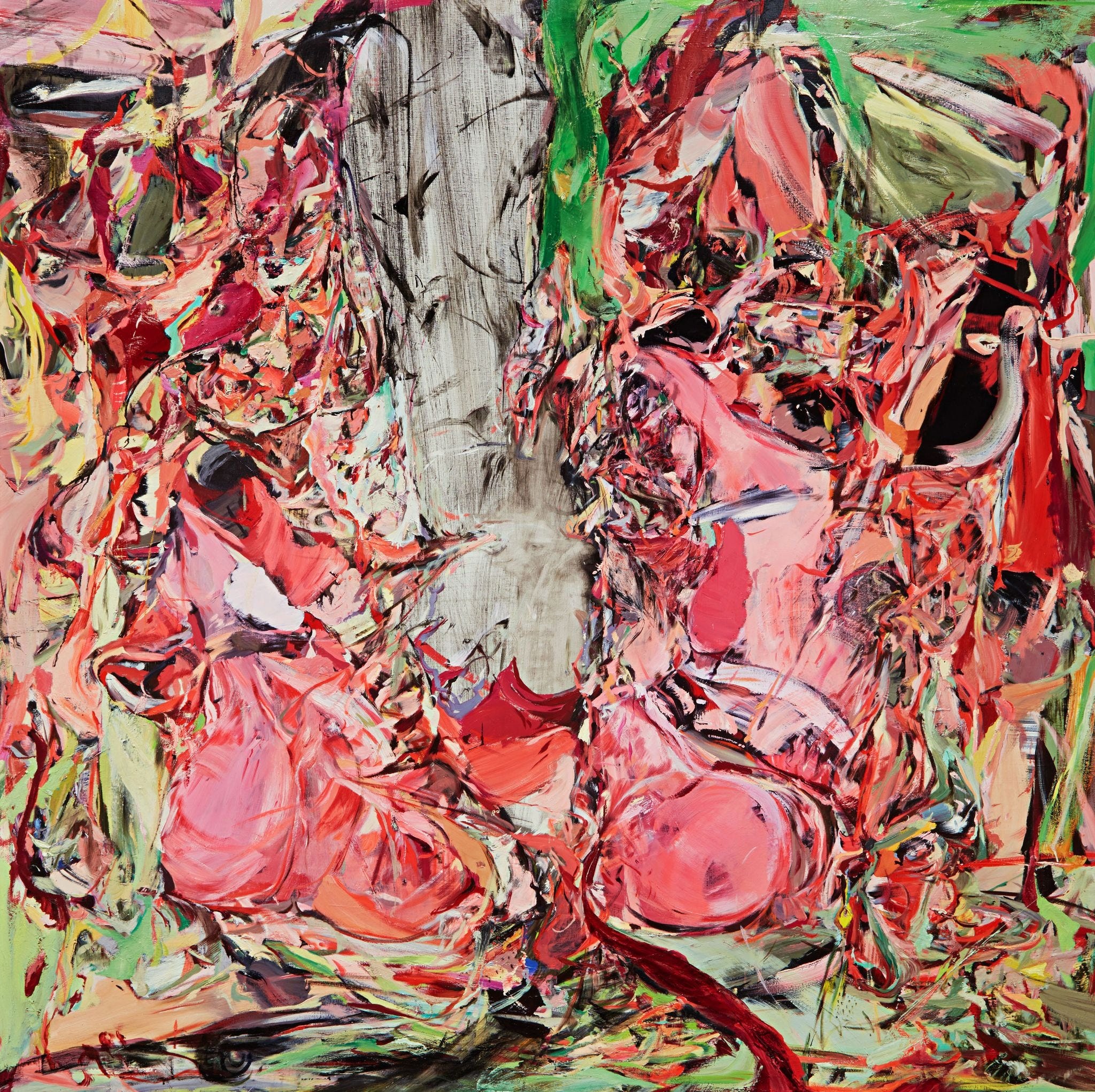
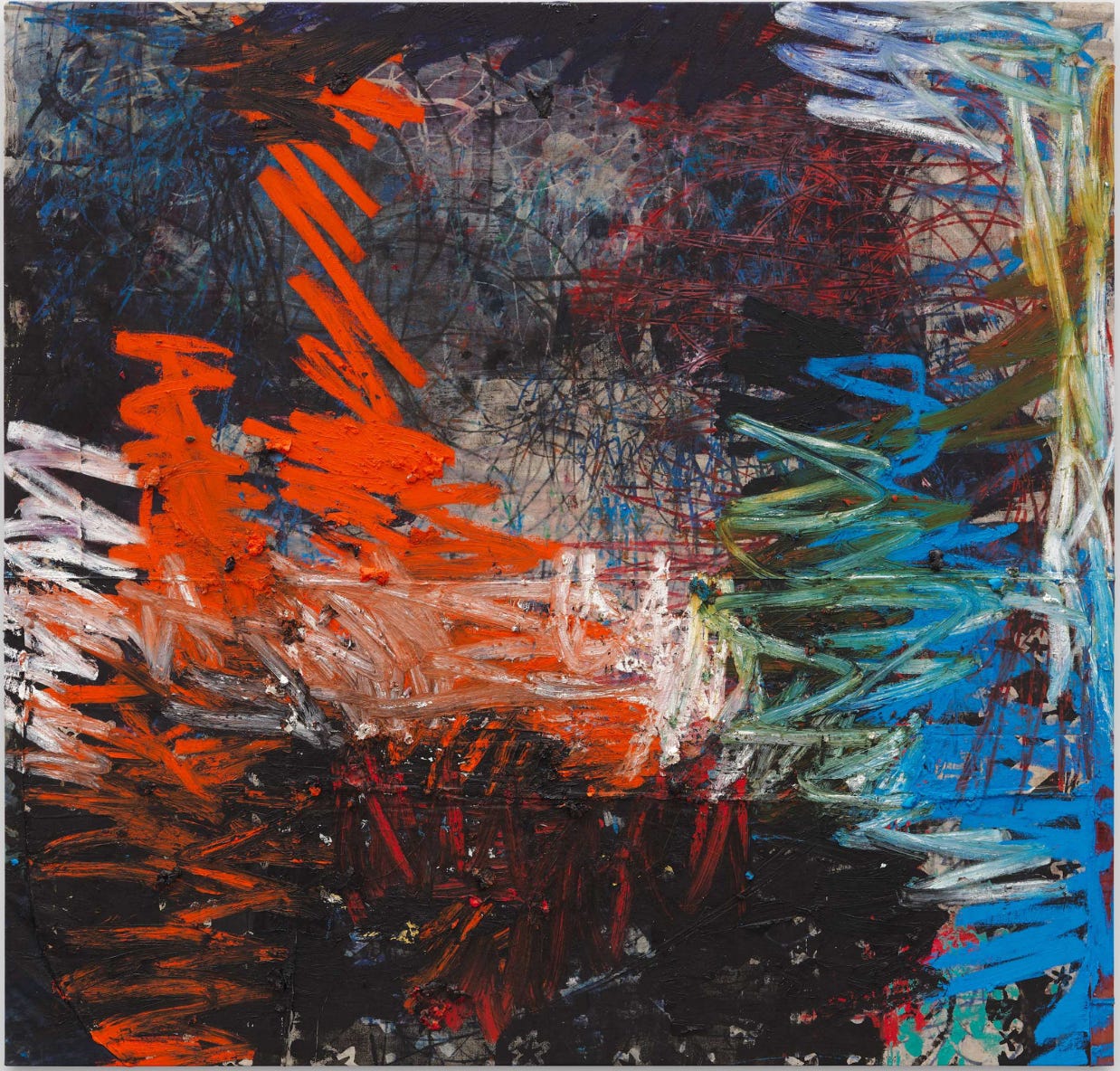
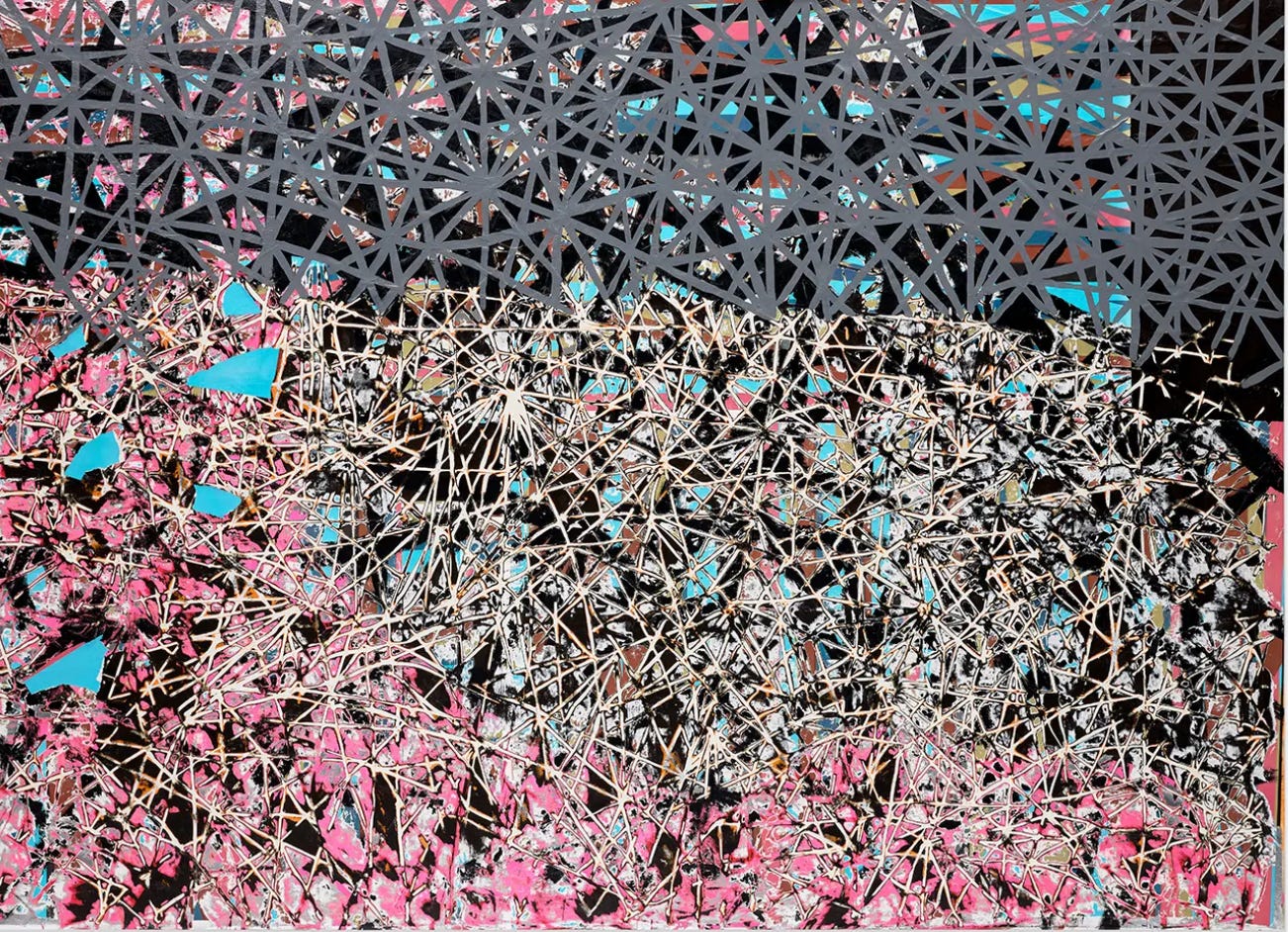
These paintings are not only really ugly but all ugly in the same way. With their violent use of arbitrary colors, these artists seem interested only in thwarting any possibility of aesthetic harmony. Indeed, these paintings are all just random: not only do they fail to represent anything, but they also fail to compel us to feel anything.
Contrast these gatekeeper-approved paintings with the creations of Marina Remennik, a classically trained visual artist who has had no luck whatsoever placing her beautiful paintings in the aforementioned New York galleries:
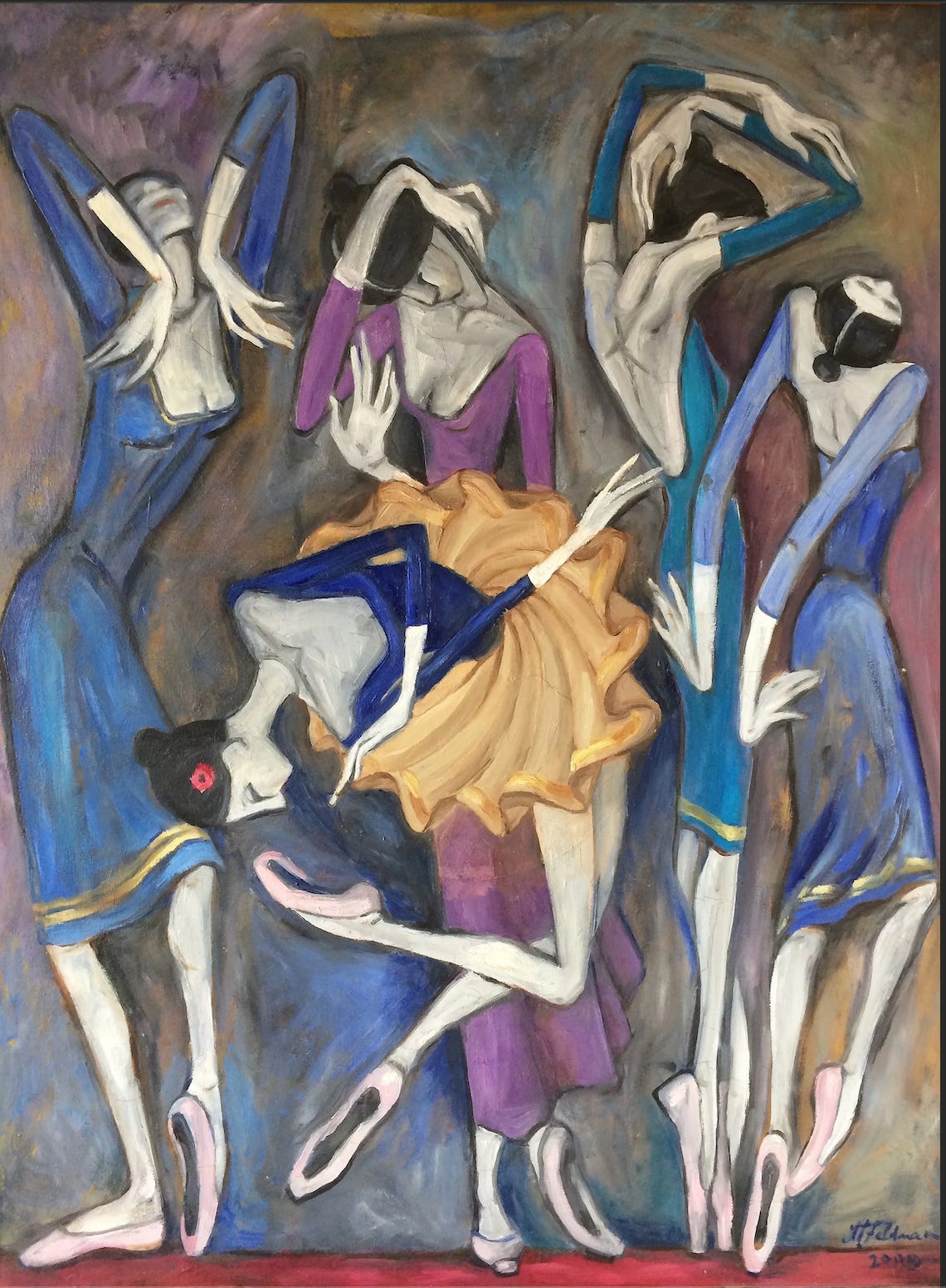
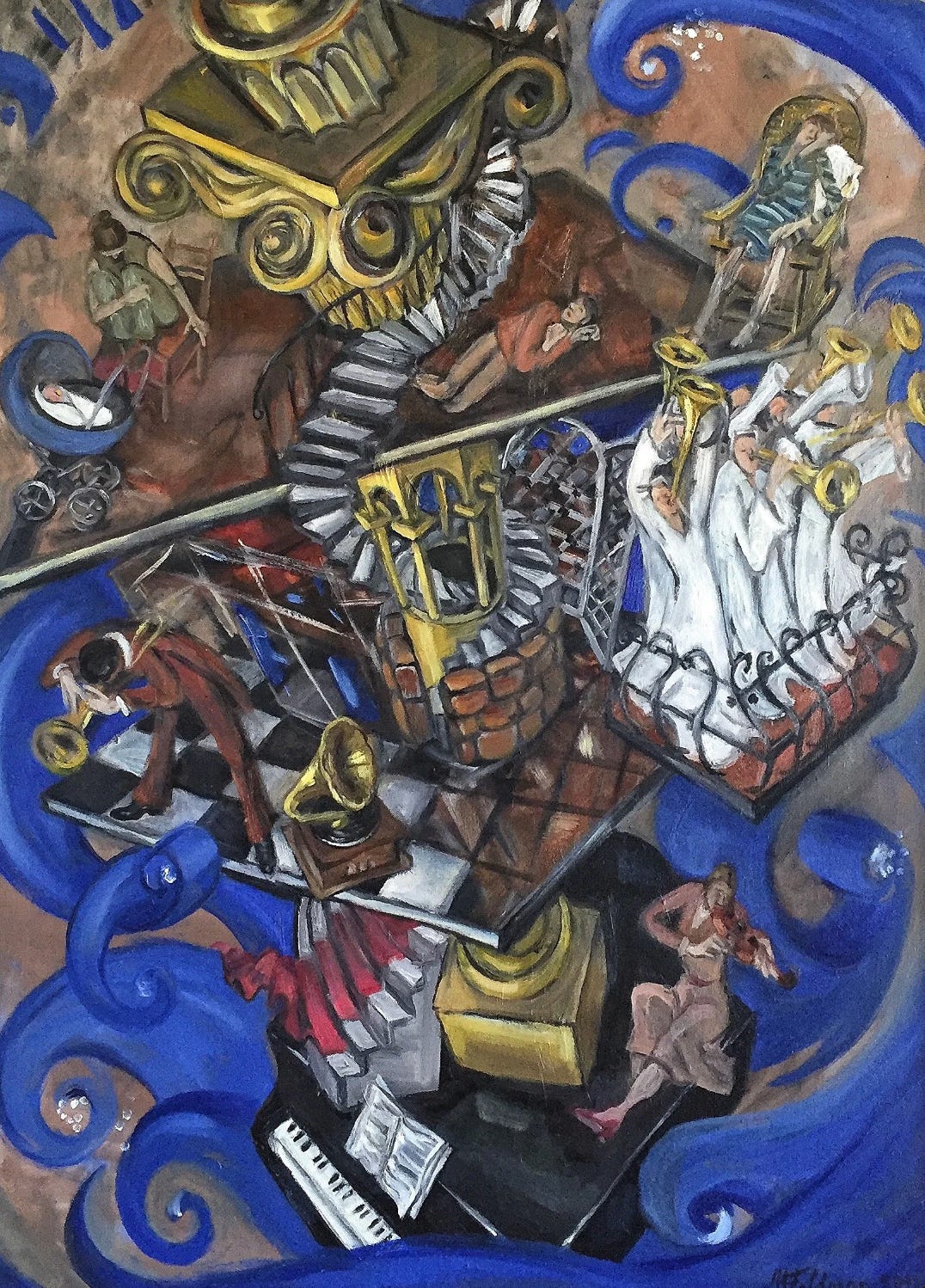
Any kindergartener—even, perhaps, a blind one—could tell you at first glance that Ms. Remennik is infinitely more talented than Cecily Brown, Oscar Murillo, or Mark Bradford—the so-called “artists” venerated by the ignoramuses wielding a monopoly over New York’s visual art scene. But because the hegemons of the art world frequently turn their noses up at beauty, Ms. Remennik has no real chance of competing with these rogue toucans arbitrarily prancing over canvases with tubes of paint between their beaks—even though there is infinitely more to appreciate in “The Boat of Life” than “He Barked Just Like a Watchdog,” the latter of which sold for nearly $5M in 2011.
Over in the literary world—the constant target of this particular critic’s ire—our publishing houses similarly revere vague, ugly writing at the expense of beautiful sentences and philosophical depth. Consider, for instance, the following excerpt from Hannah Lillith Assadi’s Paradiso 17, the novel that just won the National Book Award this past week:
Later, when the French officers at the refugee camp in Syria asked about Sufien’s date of birth for his Document de Voyage (Pour les Réfugiés Palestiniens), Amal, now called Um Sufien, replied that it was in the time of year of their savior’s birthday, remembering the hills of Safad disappeared by mist that first day nursing Sufien, how the land itself looked like it was dreaming in that season, and remembering so vividly the music of those bells.
Elsewhere in the text, we get the following description of the same hills:
Sufien would later religiously mark the dusk, marvel at the colors of the end of daylight, and that fateful April evening, he watched it too, wrapping its hues around the hills of his city like a yearning refrain.
Assadi’s writing sounds profound at first glance, but there’s not a single concrete description over the course of two paragraphs. The language is incredibly broad and vague, replete with the sort of nonsensical metaphors you often get from ChatGPT.
What does it mean, for instance, for a land to “look like it was dreaming” or for colors to wrap themselves around hills in a “yearning refrain”? This author has strung over a hundred words together in a shoddy attempt to describe a hillside, yet after reading these two passages, we have no idea what her setting looks like. There’s an emphasis on colors wrapping themselves around these hills, but we aren’t even told what colors!
This sort of sophomoric writing, of course, frequently wins awards because the literary establishment—like the visual art and classical music worlds of our time—has declared a war on beauty. Last month, for instance, we witnessed Anne Carson and her ugly poems lionized by the Nobel Prize committee. On October 12th, I described her poem “Stanzas, Sexes, Seductions” in the following terms:
I had to read this one several times over to make sure I wasn’t missing something, but each additional read only intensified my repulsion. This poem just isn’t… pretty. In fact, Carson’s words reminded me of the telescreen announcers from 1984 who spew Party slogans just to keep the masses compliant. That’s the best way to describe her poems—empty words that don’t mean anything.
Indeed, the best adjective to describe Carson’s poetry is… ugly.
But the literary establishment hates beauty so much that I recently received the following comment from a literary agent about my novel discussing the death of Beauty (with a capital B):
Instead of treating it (Beauty) like a proper noun and a frequently discussed (probably every single chapter) concept in the book, choose a few key dialogues to bring out the importance of the concept to the character as it develops.
Setting aside the fact that human beings who can’t even string together a single coherent sentence have the audacity to tell talented people how to write, what is particularly revealing about this agent’s comment is her inability to conceive of Beauty as a legitimate literary subject in its own right—to the point where she seems almost offended at its status as a proper noun. The mere idea of a higher, more exalted Beauty—especially when expressed in Platonic terms—is so alien to the publishing industry that this agent can only stomach its presence when a) it retreats to the background (she takes issue with its ubiquity) and b) becomes relegated to “a few key dialogues” in relation to character development. In other words, Beauty is permissible as a literary subject only as a plot point; the idea that it might be worth investigating in its own right—that a novel might actually concern itself with the nature of Beauty and its relationship to Truth—does not even occur to these Neanderthals.
Perhaps the problem, then, is that we’ve all forgotten what beauty actually means—and what it must accomplish. In contemplating a work of art, I often think of beauty as the artistic quest to reach for something not only satisfying to the senses but also profound for the mind. Beauty, after all, does not necessarily need to be pleasant—just ask Francisco Goya—yet even when Goya depicts a father eating his own son alive—without shying away from gory details—his work exemplifies a deliberate relationship between form and meaning that compels us to feel something.
In other words, beauty is not the absence of ugliness but the presence of artistic meaning that reveals something deeper about the human condition.
Understood in these terms, the contemporary art world’s aversion to beauty is really just a rejection of sincerity and objective truth. After all, the majority of contemporary art is not only ugly but ironic, with artists frequently turning to irony to distance themselves from their work—perhaps, as David Foster Wallace suggests, to ward off “accusations of sentimentality, melodrama”: how many times, for instance, have you heard a sincere love poem being described as kitschy or, worse, “cringe”? It is only logical that a society that frequently ridicules sincerity has created an entire generation of artists who hide behind irony and ugliness to avoid exposing themselves.
Another theory, proposed by Marxist critic Fredric Jameson in his book Postmodernism, or The Cultural Logic of Late Capitalism, is that the postmodern dissolution of the individual “self” has culminated in the disappearance of individual style in art and a “liberation from feeling” (since there is no longer a coherent self to experience or express these feelings). The result is what he calls a “waning of affect”: devoid of emotional depth and personal expression, our art becomes both emotionally detached and suspiciously uniform.
What both Wallace and Jameson suggest, therefore, is that we have collectively abandoned the conviction that art must communicate something meaningful about the human condition. And while I agree wholeheartedly—even with the Marxist take—I suspect there is an even more fundamental explanation for the glorification of ugliness and the death of sincerity: it takes a talented artist to create a painting like Marina Remennik’s “Boat of Life”; on the other hand, any random five-year-old can make you an Oscar Murillo or a Cecily Brown—any first-year MFA can write string together imprecise words à la Assadi, and any high school AP Music Theory student can compose a cacophony like the one I heard at the CSO.
The death of beauty, in other words, is really the death of a society that believes that some people are more talented than others—that art is an inborn gift, and that not everyone is capable of becoming great. Beauty, after all, demands standards, and the moment it ceases to serve as an artistic criterion is the moment that we lose sight of the distinction between excellence and mediocrity, judging art no longer by its relationship to truth and beauty but by its conformity to whatever ideologies happen to be in vogue among our cultural gatekeepers.
Put simply, because we live in a world led by DEI cretins, we must somehow convince the entire world that Assadi can write and that Murillo can paint.
And what’s the only way to do that?
Eliminate uniquely talented people from all artistic fields so that the artistic racketeers have no real competition.
The reason, then, that our art has become ugly is not because we have all turned our backs to beauty but because our gatekeepers have purposely stopped celebrating beauty in either a conscious or unconscious attempt to elevate artistic charlatans.
And until we bring back beauty standards, we will continue to see the proliferation of ugly artwork. Because beauty takes time and talent—it compels us to strive toward perfection and to reach for something greater than ourselves. Ugliness, on the other hand, demands nothing of anyone.
As a society, we’ve stopped reaching for the Good and the True, but perhaps, in celebrating Beauty—with a capital B—we can not only restore artistic standards but also bring meaning back to our art.
Enjoyed this post? You can Buy Me a Coffee so that I’ll be awake for the next one. If you are a starving artist, you can also just follow me on Instagram, YouTube, or “X.”
You're a Platonic romantic. Your literary agent who is a postmodern nominalist. Of course she "can't conceive of Beauty as proper noun". You can't communicate because your assumptions about the nature of reality are polar opposites.
"Beauty is not the absence of ugliness but the presence of artistic meaning that reveals something deeper about the human condition."
C.S. Lewis said much of the same in Abolition of Man, arguing that beauty was a real quality not simply "in the eye of the beholder." But Lewis lost; Nietzsche and Foucault won. To today's postmodern man "beauty" is an emotional response, almost ANY emotional response.
Postmodern man seeks meaning everywhere, yet his own philosophy has rendered him blind to it. So he careens from one emotional experience to the next, hoping to fill the "God shaped hole in his heart". Since the strongest emotional responses are viscerally negative, his emotional quest for meaning and beauty inevitably elevates the ugly.
"The death of beauty, in other words, is really the death of a society that believes that some people are more talented than others"
Man is a blank slate, so disparities in outcome are caused by oppression and discrimination. /sarc That's just basic Marxism as well. If equity is your highest goal (and remember: "all men are created equal") there's a limit to how high you can raise the hacks, but no limit to draging down the talented. It was true in the USSR. It was true in Mao's China. It was true in Vonnegut's Harrison Bergeron. The quest for equity always ends in blood.
I like to call it SMUG Art: Secular, Modern, Urban, Global, i.e., a soulless gray goo.